



Economists’ understanding of oil shocks has evolved over time. The original view was that reductions in supply from Middle East wars or OPEC decisions were important causes of oil price increases. But the more recent conclusion (p.142) is that “most major oil price fluctuations dating back to 1973 are largely explained by shifts in the demand for crude oil.”
The start of the Iran-Iraq war in the fall of 1980 is instructive about the effect of supply reductions not accompanied by major changes in demand. In late September 1980, Iraq invaded Iran, disrupting oil exports from both Iran and Iraq. The reduction in oil supply was about 12.2 percent for the Persian Gulf and 2.6 percent for the world (p. 312). And the price of West Texas Intermediate increased from $36 per barrel in September 1980 to $38 in January 1981, a rise of only 5.6 percent.
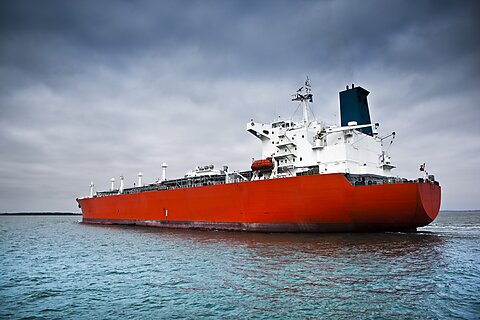
The conclusion (p. 146) was that “the ongoing Iran–Iraq War had little effect on the price of oil in the 1980s, notwithstanding considerable damage to oil shipping in the Persian Gulf with as many as 30 attacks on oil tankers in a given month.”
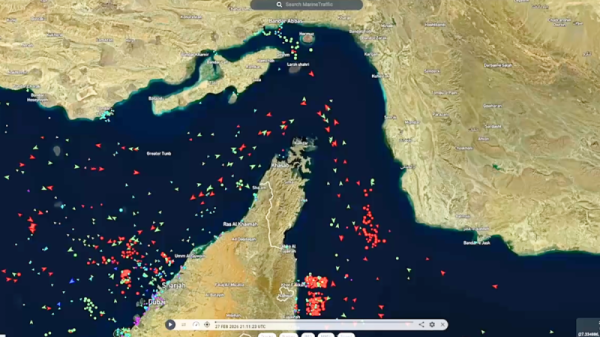
The current shutdown of the Strait of Hormuz reduces world supply by about 20 percent, almost 8 times larger than we experienced in 1980. And markets are reacting differently than in 1980. The price of oil has increased by about 50 to 60 percent from about $60 a barrel to $90–100. Such an increase is consistent with estimates (p. 1887) of the price increase required to reduce demand by 20 percent in the short run.
The International Energy Agency, a consortium of 32 oil-consuming nations, has announced a release of 400 million barrels of oil from public reserves, including 172 million barrels from the US Strategic Petroleum Reserve. Economists have concluded that such releases modestly stabilize oil prices, but the current releases are much larger than the historical releases (30 million barrels, for example, in 2011 during the Libyan civil war) used to calculate those price effects.
One window into possible outcomes is the price of oil futures, which lock in today the right to buy oil at a given price in the future. When I checked today, the price in 6 months (September 2026) is about $81 a barrel and in one year (March 2027) about $72 a barrel.