







Thomas A. Berry, Brent Skorup, and Sam Rutzick
Under US tax law, bona fide residency is an important factor in determining tax obligations. Two sets of taxpayers—the Hirschs and the Birdmans—moved to the US Virgin Islands, paying taxes there rather than to the Iinternal Revenue Service (IRS) as the law permits. After the couples relocated to Florida, the IRS accused them of having falsely claimed Virgin Islands residency for the previous three years, imposing more than $15 million dollars in fraud penalties on each pair. The couples challenged those fraud determinations in the US Tax Court. And they asked that the facts of their case be determined by a jury. In doing so, they sought to vindicate their Seventh Amendment right—affirmed by the Supreme Court two terms ago in SEC. v. Jarkesy (2024)—to a trial before a jury of their peers before paying civil fines for alleged fraud.
The Tax Court rejected their demand for a jury, reasoning that they had the option to pay their taxes and penalties first and seek a jury trial later in an action to recover that money. The Eleventh Circuit Court of Appeals declined to intervene, holding that the couples could not appeal the jury question until after a trial without a jury in the Tax Court. Now the couples have asked the Supreme Court to hear their case, and Cato and the National Federation of Independent Business Small Business Legal Center have filed an amicus brief in support of that petition.
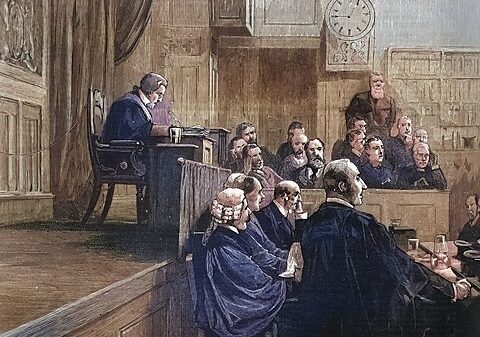
Our brief highlights the historical foundations of the jury trial in tax cases. As the Supreme Court emphasized in Jarkesy, the jury has served for centuries as a critical check on governmental power on both sides of the Atlantic. One of the Founders’ primary grievances against the British Crown was its practice of shunting Americans into specialized, juryless admiralty courts. In response to that experience, the Framers entrenched the jury trial right in the Seventh Amendment, guaranteeing trial by jury in all “[s]uits at common law.”
History confirms that understanding. At the Founding, tax penalties were enforced through civil actions in court—not through summary administrative proceedings. The First Congress itself drew a sharp distinction between duties collection and penalties for failure to pay duties, authorizing summary procedures for the former while requiring judicial process for the latter. That choice reflected a shared understanding that when the government seeks to punish alleged wrongdoing, it must submit its case to a jury
The modern “pay-penalties-first, sue-for-refund-later” model does not replicate that historical safeguard. The procedure here collapses tax assessment and punitive penalties into a single proceeding before a juryless tribunal. Jury review is available only—if at all—after full payment of both tax and penalty. That structure bears little resemblance to the historical practice that the Seventh Amendment preserves. When fraud penalties are at issue, the jury right attaches.
The Supreme Court should grant the petition to reaffirm that Congress cannot evade the Seventh Amendment’s jury trial guarantee by assigning punitive claims to juryless tribunals like the Tax Court.