
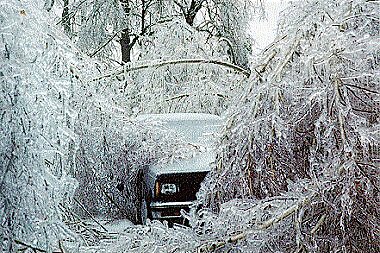







Millions of Americans are bracing for a days-long winter storm that could potentially cause major damage, including extensive power outages. Ahead of the storm, we should reflect on the source of our safety against extreme weather.
We are resilient to winter storms like Fern because of the economic development that comes from free markets and free societies. The policy implication is clear: Wealth is health, and we should keep developing the energy resources we need to drive America’s economic engine.
The mayor of New York City, Zohran Mamdani, said in his inaugural address that he would “replace the frigidity of rugged individualism with the warmth of collectivism.” Unfortunately, the track record of collectivism is one of cold destruction, death, and deprivation, not productive warmth. The track record is so clear that such a statement is absurd.
We are better now, in the US, at handling extreme weather than any society in human history. But we risk backsliding on our resilience if we choose the degrowth of collectivism over the warmth of rugged individualism. The examples abound—the new governors of Virginia and New Jersey have signaled their intent to double down on a forced transition to green energy rather than ensuring a reliable and affordable power grid.
We can look to our own past to gain perspective. For much of American history, winter storms were genuinely dangerous. Before widespread electrification and central heating, cold spells routinely translated into spikes in mortality, especially among the elderly and the poor. Winter did not grow gentler over time. America grew richer—and far more energy abundant.
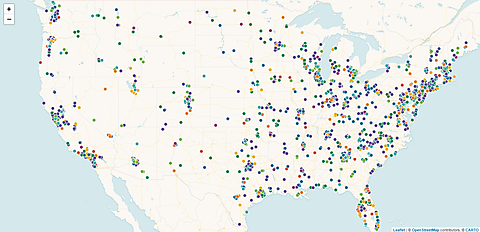
Another real-world example: Which of the societies below would you expect to be warmer during a cold snap?
As my colleagues at Human Progress point out, climate-related deaths globally have fallen by 99 percent since 1920 thanks to human adaptation. A high-energy society brings heated and insulated homes, mechanized snow removal, real-time communication, and prediction and warning systems. Energy abundance turns extreme cold weather from a mortal threat into a mere logistical problem.
Here’s the policy lesson: Societies that make energy scarce make weather more dangerous. As Winter Storm Fern approaches, it is worth remembering how different this moment is—not only from America’s past, but from life in much of the world today. Millions of Americans will remain warm, connected, and safe not because Mother Nature has grown kinder or because of the rhetorical warmth of collectivism. We will thrive this weekend because, in America, we embrace human ingenuity, growth, and abundant energy.